In the previous article, "WATER CONSUMPTION IN COCO COIR" we saw the main factors that affect water consumption in hydroponic crops in coco coir. In this article we will explain the main factors that affect water consumption in hydroponic coco coir crops. In this article we will explain the different methodologies that exist for the calculation of fertigation.
FERTIGATION METHODS
ASSOCIATED WITH THE PLANT
These approaches are based on the water status of the plant, using measurements of the water status of the plant , water potential,the transpiration in real time and changes in the dimensions of the plant, such as variations in the stem diameteramong others.
Such methods are applied in research contexts or, in the case of water potential, in tree plantations. They are not commonly used in hydroponics because of the use of very delicate devices, as in the case of stem diameter, or because they require invasive equipment for the plant or very expensive equipment, as in the case of real-time transpiration measurement, or because they require cutting parts of the plants, as in the case of water potential measurement.
CLIMATE-RELATED
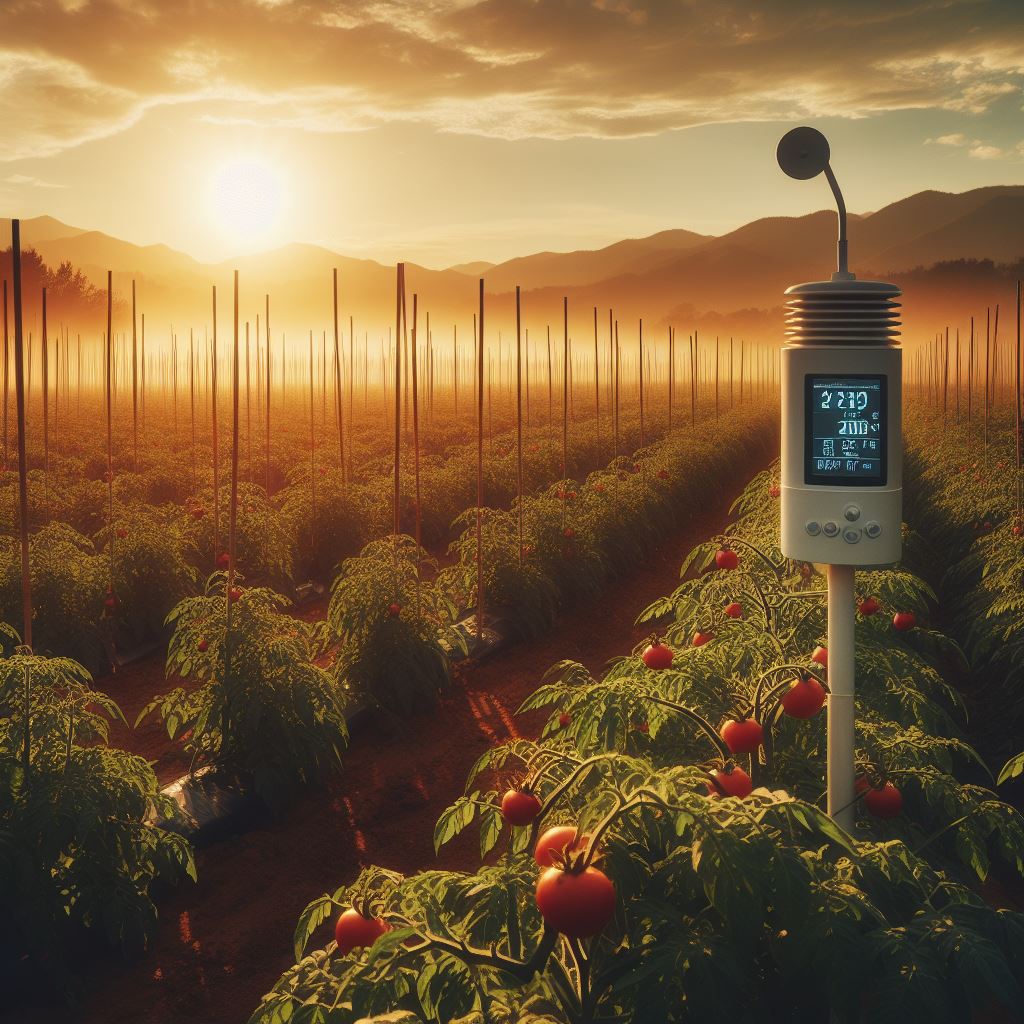
Climatic methods are based on relationships between plant water demands and water losses through transpiration, taking into account climatic variables such as temperature, relative humidity, vapour pressure deficit, and incident solar radiation.
There are different methods that calculate the water required by crops using climatic parameters, such as the Penman-Monteith method or the simplified EPAN method for estimating evapotranspiration.
Light radiation method
This method is often used on farms for the irrigation of hydroponic crops. It consists of counting the incident radiation using devices such as a pyranometer to determine the irrigation frequency (number of irrigations per day). Based on an accumulated amount of energy (irrigation setpoint), irrigation is then triggered. This method requires corrections depending on the stage of the crop cycle and the time of year.
ASSOCIATED WITH THE SUBSTRATE
There are techniques to calculate the water available in the substrate, divided into two types related to the substrate. The direct methods measure the water potential by means of sphygmomanometrywhile indirect methods estimate the water reserve, such as the gravimetric method by means of a balance to measure water loss, the measurement of the drainage, demand watering trays and analysis of the electrical conductivity in the substrate and drainage.
Tensiometry
The tensiometer is a sealed water-filled tube with a porous capsule at one end and a pressure gauge at the other end to measure the tension. This tube is buried in the substrate to the desired depth, with the porous capsule exposed to the substrate. The water inside the tensiometer is connected to the moisture in the substrate through the porous capsule, allowing the water to flow out or in depending on the moisture conditions of the substrate.
The principle behind the tensiometer is simple: as the substrate dries, the water pressure in the porous tube decreases, creating a negative pressure or tension. This tension is recorded by a manometer or digital gauge attached to the tensiometer. When the plant needs water, this tension increases, indicating that it is the right time to water.
Gravimetric method
The gravimetric method consists of checking the water content of a substrate using a balance, in such a way that the weight of a bag of crop is measured after an irrigation and the weight loss of the bag over time is visualised. This gives the water content of the bag and calculates when the next irrigation is due.
Drainage control
The most common method for irrigation control in hydroponic crops is based on the drainage after fertigation or the accumulated drainage over the course of a day. In this way, the volume drained is measured first thing in the morning, before the fertigation period begins, so that the total volume drained is compared over the days, which should coincide with the drainage volume established for fertigation, so that the frequency of irrigation is corrected as the drainage volume varies over the growing period.
On-demand watering tray
Demand irrigation trays are devices that automatically control the frequency of irrigation. It consists of a tray containing the growbag to collect the drainage, which is contained in a special receptacle where probes detect the water level. This receptacle is connected to the growbag by means of a hydrophilic element, generally a textile, which transfers the water from the receptacle to the substrate when the substrate begins to dry out due to plant consumption, so that, when the water level in the receptacle drops, irrigation is activated.
Substrate electrical conductivity and drainage method
By monitoring the electrical conductivity (EC), both in the substrate and in the drainage, the frequency of irrigation can be programmed. After an irrigation, the EC of the substrate is balanced with that of the irrigation water. Over time, the plants draw water from the substrate, which causes the salinity of the free water remaining in the substrate to increase, and the EC rises. In this way, assuming a certain increase in salinity in the root environment and verifying that, with successive irrigations, the EC of the drainage does not increase, the next irrigation can be programmed at the desired level of increase in EC.