In hydroponic cultivation, it is crucial to maintain constant monitoring and accurate assessment of irrigation. This is because nutrient supply takes place during irrigation, and any interruption in the supply of water and nutrients can have serious consequences. Such setbacks could cause growth delays and even lead to total crop failure.
In particular, and due to the characteristic of nutrient supply exclusively through irrigation water, the application of nutrient solutions to crops using hydroponic cultivation methods is called fertigation.
ELEMENTS TO CONSIDER IN WATER EXPENDITURE
As these are systems where the root is confined in a substrate bag, the water balance in the system is as follows:
WATER EXPENDITURE = CONSUMPTION BY THE PLANT + DRAINAGE + TRANSPIRATION
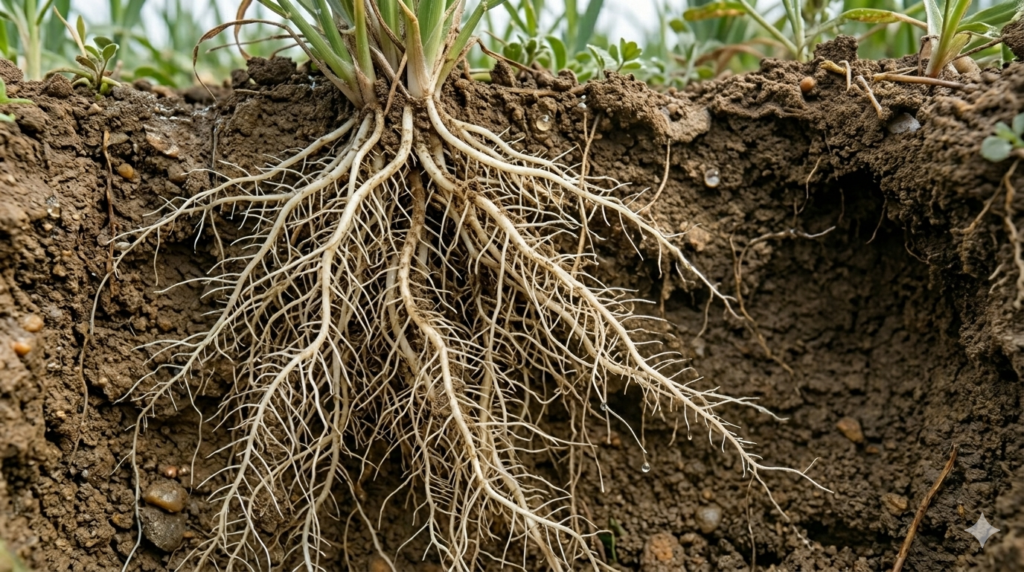
It is considered that the water consumed by the plant includes that absorbed by the roots and used in the formation of its tissues (constitutional water), as well as that lost through transpiration in the leaves, the latter representing more than 90% of the total consumed by the plant.
The drainage refers to the volume of water from fertigation that is not retained in the hydroponic system. It is usually expressed as a percentage of the total volume of water applied in each fertigation. This surplus water is necessary to maintain a balance of nutrients in the root zone by flushing out salts and a balanced reincorporation of the nutrient solution supplied during fertigation.
The perspiration is the loss of water that occurs between the substrate and the air in the areas where they are in contact, such as the openings of the bags. Due to the confinement of the substrate in the bags, the amount of water lost through this process is minimal. This loss can represent approximately 30% of the water volume in the initial planting stage, decreasing linearly as the crop develops to a value of about 5%-10%.
FACTORS AFFECTING WATER EXPENDITURE
Water consumption is determined by several key factors. The substrate is one of the main ones, as its physical composition and the amount of water available influence it, as does its temperature, which can be a result of environmental conditions.
The plant itself also plays a crucial role. The root capacity and growth rate of the cultivated varieties determine their water requirements. In addition, the phenological stage of the plant is relevant; generally, between 65% and 75% of water is consumed during the fattening and ripening stages of the fruit.
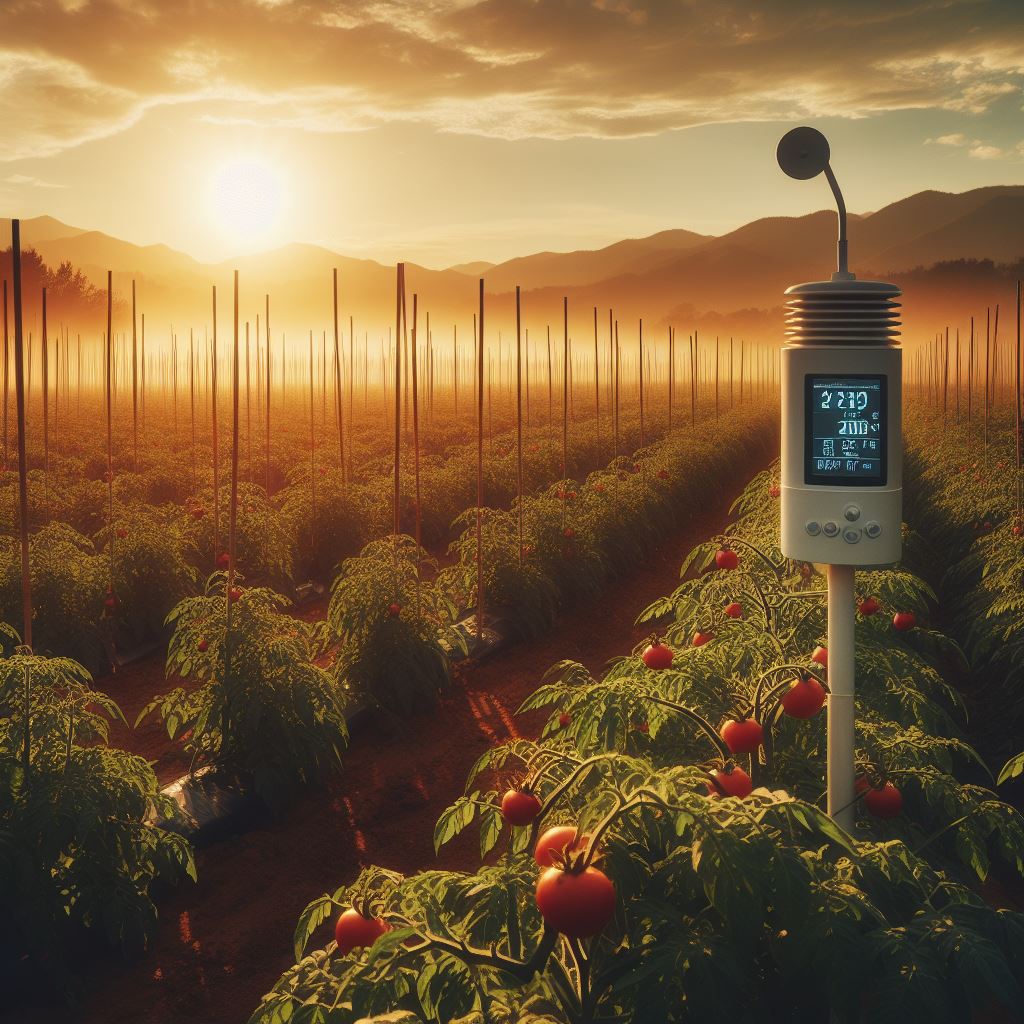
However, the most decisive factor is the weatherespecially solar radiation, temperature, air humidity and their relation to vapour deficit. Temperature and solar radiation impact both environmentally and on the heating of the root zone, increasing water consumption as the temperature of the root environment increases.
At the environmental level, transpiration is related to the water potential gradient between leaves and air, determined by relative humidity and temperature. Transpiration flow is intensified in environments with lower atmospheric water content and higher temperature.
The content of carbon dioxide in the atmosphere is also relevant. CO₂ fertilisation impacts on transpiration by decreasing stomatal conductance and thus transpiration rate. Although this is usually less relevant due to the limited use of CO₂ application technologies on most farms.